
Thursday, October 15, 2026
HomeFútbolConcacafMexico’s Struggles Against Chile: Analyzing Mexico’s Performance and Areas for Improvement

Mexico’s Struggles Against Chile: Analyzing Mexico’s Performance and Areas for Improvement

Mexico’s 2–0 defeat to Chile on October 6, 2026, highlighted several weaknesses that the Mexican national team must address moving forward. The friendly match at the Los Angeles Memorial Coliseum was particularly significant because it was Mexico’s fourth game under new head coach Rafael Márquez. After two draws against Colombia and Peru and a 3–0 loss to the United States, Mexico entered the match looking for its first victory under Márquez. Instead, goals from Maximiliano Gutiérrez and Vicente Pizarro in the second half gave Chile a comfortable victory and left Mexico winless during the entire international window.

Mexico’s performance in the first half was relatively competitive, but the team struggled to create consistent attacking opportunities. The match was characterized by a slow and physical style of play, with Mexico having difficulty connecting its midfield with its forwards. Although Mexico produced occasional threats, including a long-range attempt from Roberto “Piojo” Alvarado and a dangerous effort from Jesús Gallardo, the team lacked the creativity necessary to seriously challenge Chile’s defense.

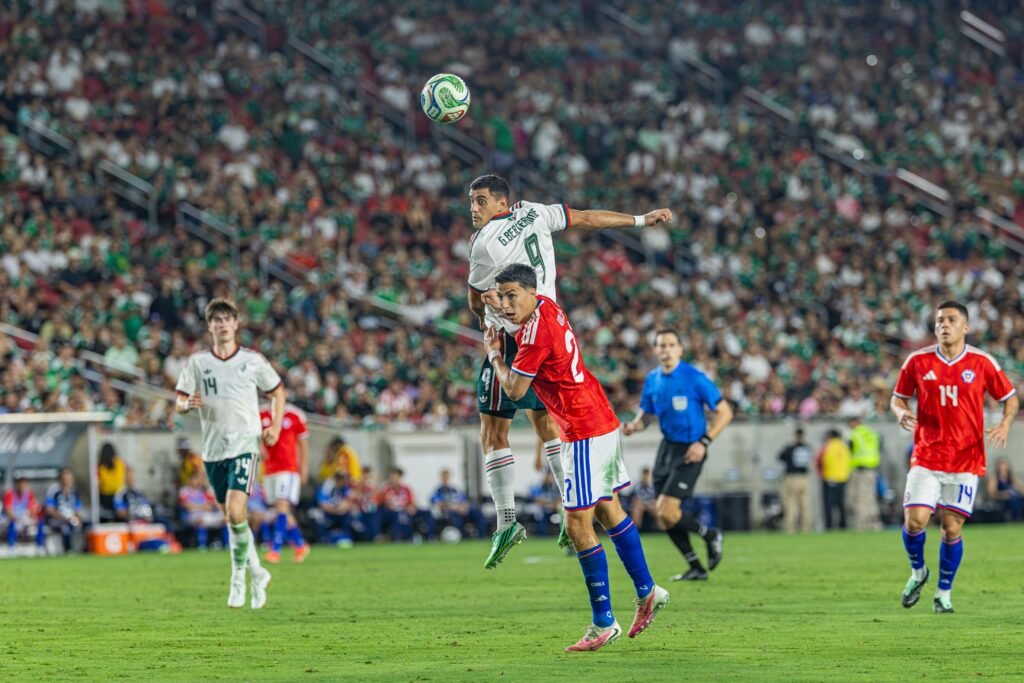
German Berterame in an aerial dual in a friendly at the LA Coliseum in Los Angeles California on October 6, 2026 Photo Credit: Bruno Zanotto

The second half exposed Mexico’s larger problems. Chile scored in the 54th minute when Maximiliano Gutiérrez took advantage of space in Mexico’s defense and finished his opportunity against goalkeeper Álex Padilla. Eleven minutes later, Vicente Pizarro doubled Chile’s advantage after another defensive breakdown. Mexico’s defensive organization deteriorated as the match progressed, particularly following substitutions, and the team struggled to respond after conceding the opening goal. 

Mexico’s attacking performance was also disappointing. Santiago Giménez, who entered as a substitute, was unable to provide the goal-scoring threat Mexico needed, while Germán Berterame struggled in his role on the left side of the attack. More broadly, Mexico appeared disconnected between its midfield and forwards. This lack of coordination made it difficult for the team to maintain pressure or generate clear scoring opportunities.

There were, however, some positive aspects to the match. Márquez continued experimenting with his roster, giving Álex Padilla his first start in goal. The use of younger players also provides Mexico with an opportunity to evaluate potential contributors for future competitive matches. Padilla made an early save after Mexico lost possession, demonstrating composure despite the eventual result.

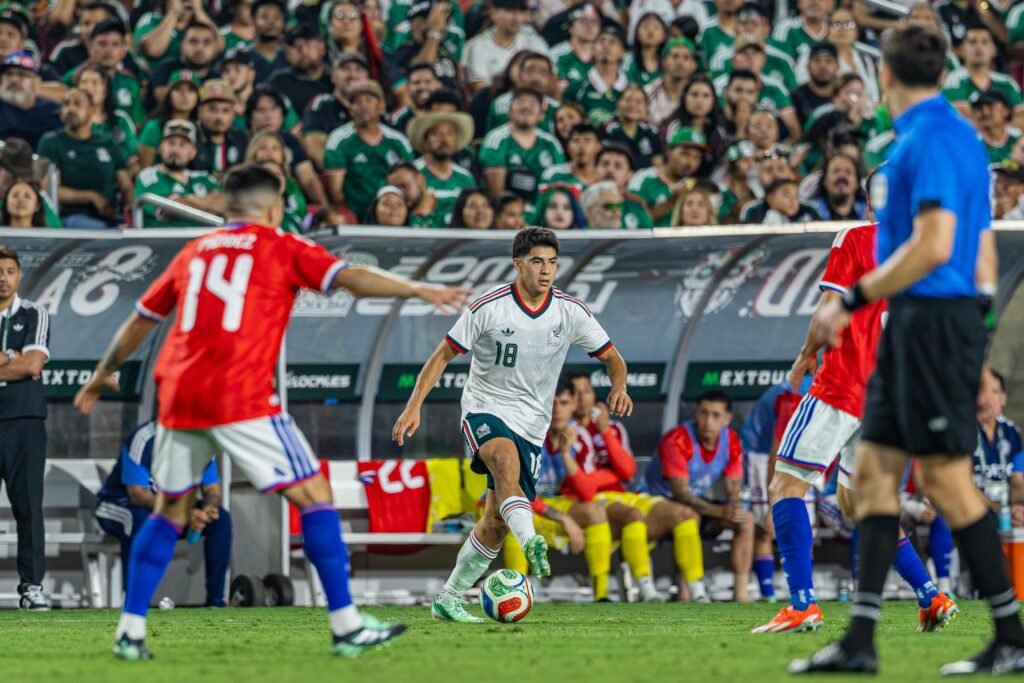
Obed Vargas ripping through Chile's defense at a friendly against Chile at The LA Coliseum in Los Angeles California on October 6,2026 Photo Credit: Bruno Zanotto

Overall, Mexico’s performance against Chile demonstrated that Márquez still has significant work to do. The team finished its four-match tour without a victory, recording two draws and two losses while conceding seven goals. Although these were friendly matches, the defensive instability and lack of offensive cohesion are concerning, particularly with Mexico’s upcoming CONCACAF Nations League quarterfinal against Jamaica in November.

Mexico’s loss to Chile should therefore be viewed as both a disappointing result and an opportunity for improvement. Márquez must find a more effective tactical structure, strengthen the defense, and improve the connection between midfield and attack. If Mexico can correct these weaknesses, the team can use the lessons from this difficult international window to become more organized and competitive in its upcoming matches. 


Article by: Henry Caceres

Photos by: Bruno Zanotto

Articulos que te pueden interesar

RELATED ARTICLES

LEAVE A REPLY

Please enter your comment!
Please enter your name here

Most Popular

Recent Comments