Formula 1 is often described as the pinnacle of motorsport, a place where a career can be brutally short and glory fleeting. Yet throughout its history, there have been drivers who stepped away from the sport—whether by choice, circumstance, or age—only to return and remind the world of their talent. Some comebacks became legendary chapters, while others served as cautionary tales.
Michael Schumacher – The Second Life of a Legend
Michael Schumacher’s dominance seemed untouchable after becoming a two-time world champion with Benetton (1994, 1995) and moving to Ferrari at the turn of the 2000s.
After winning seven world championships (five consecutive titles between 2000 and 2004 with the Maranello team), he retired at the end of 2006, handing his seat to Kimi Räikkönen.
But in 2010, Schumacher shocked the world with his comeback, joining the newly revived Mercedes team. Many expected fireworks, but the results were mixed. Over three seasons (2010–2012), he managed just one podium, at Valencia in 2012, and was consistently outperformed by his teammate Nico Rosberg.
Even so, his comeback was not in vain. Schumacher helped develop the car and lay the foundations for a team that, just a few years later, would dominate Formula 1 with Lewis Hamilton. Although his second stint lacked the magic of his Ferrari years, it reinforced his passion and cemented his reputation as a team builder, not just a driver.
Fernando Alonso – The Never-Ending Story
Fernando Alonso’s career is an endless saga of near-misses, risky decisions, and an insatiable hunger for competition. After leaving Ferrari in 2014, he joined McLaren during its disastrous partnership with Honda (2015–2018). The combination produced frustration, memes, and iconic team-radio moments, but no victories. Disillusioned, Alonso left F1 at the end of 2018 to pursue other adventures—winning Le Mans twice, competing in IndyCar, and even racing the Dakar Rally. A driver in every sense of the word.
But Alonso couldn’t stay away. In 2021, he returned with Alpine (the rebranded Renault team) and immediately showed that his talent was still intact. His defense in Hungary was crucial in helping Esteban Ocon secure a surprise victory. In 2023, he joined Aston Martin and brought the team back into the spotlight with a series of memorable podium finishes.
Alonso’s comeback has been a story of pure resilience: the results may not have always matched his talent, but now at 45, he remains one of the most complete competitors on the grid.
Niki Lauda – The Miracle Man
Few comebacks in sport—not just in F1—can compare to Niki Lauda’s. In 1976, the Austrian suffered horrific burns in a crash at the Nürburgring. Six weeks later, defying doctors and logic, he returned to racing at Monza, his face bandaged and his wounds still open. He finished fourth, in one of the bravest acts in motorsport history.
Lauda retired for the first time in 1979, citing a lack of motivation. But in 1982, McLaren convinced him to return. Many doubted him, but the man from Vienna silenced them with his results. In 1984, he beat his teammate Alain Prost by just half a point to claim his third world championship, eight years after that near-fatal accident.
Nigel Mansell – The Roar (and Whisper) of the Lion
Nigel Mansell retired in 1992 after finally winning his long-awaited championship with Williams, despite having raced with a broken foot throughout the season. He then moved to the United States, where he stunned everyone by winning the CART championship in 1993 as a rookie.
But F1 called him back. In 1994, following the tragic death of Ayrton Senna, Williams brought him back for several races. Mansell won the final race of the season in Australia, proving that he could still tame the car.
In 1995, he attempted a full-time comeback with McLaren, but he was replaced for the first two races because he physically did not fit in the car. After just two Grands Prix, he abandoned the uncomfortable project, frustrated with the car and lacking motivation.
Kimi Räikkönen – The Iceman’s Second Life
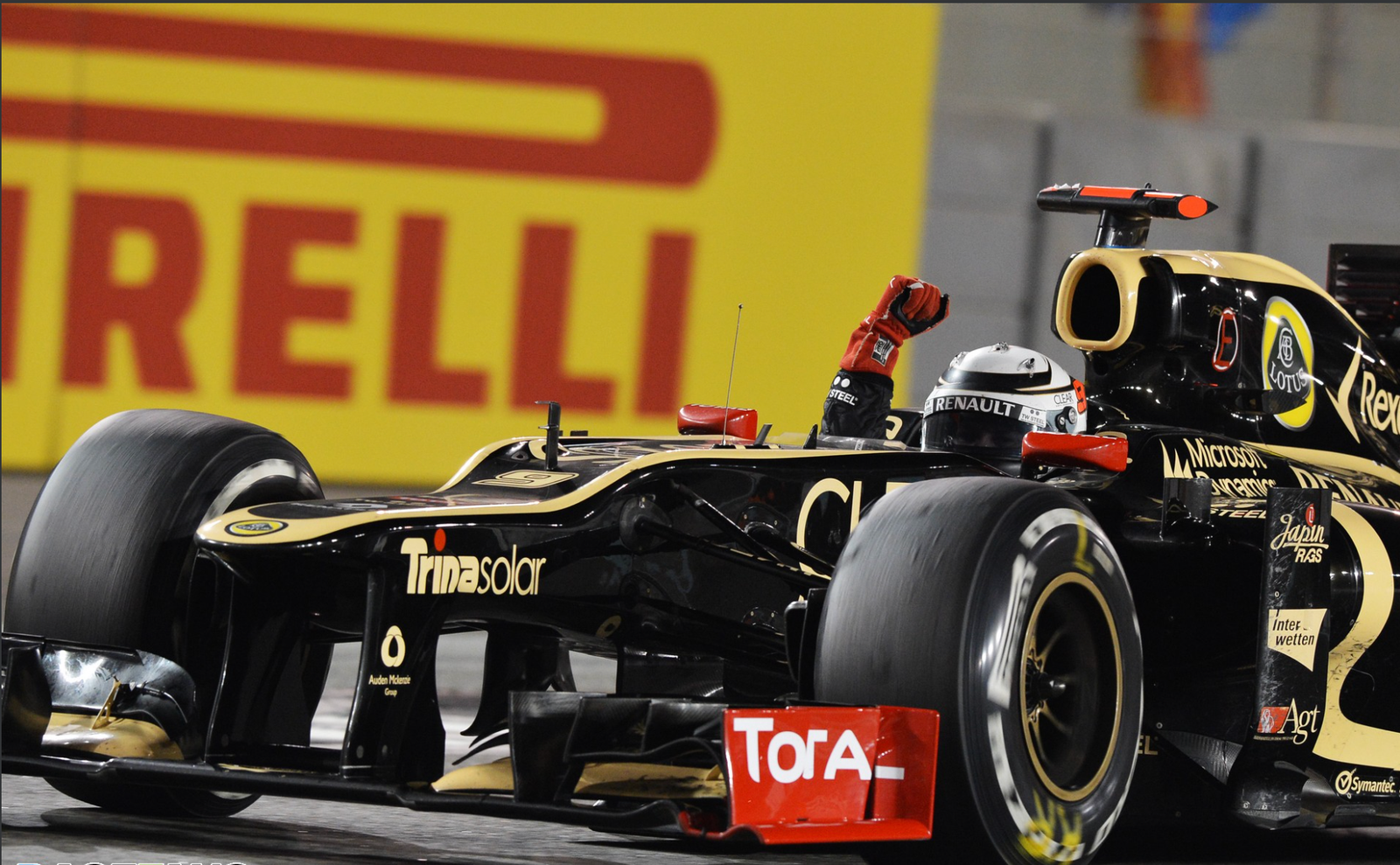
Kimi Räikkönen left F1 at the end of 2009, tired of Ferrari and drawn to rallying and NASCAR. Many thought his F1 story was over. However, in 2012, Lotus gave him another chance, and the Finn immediately showed his quality.
That same year, he won the Abu Dhabi Grand Prix, leaving behind the now-iconic phrase, “Leave me alone, I know what I’m doing.” He finished third in the championship and regained his aura.
In 2014, he returned to Ferrari, where he spent another five seasons, securing his final victory at the 2018 U.S. Grand Prix—his only win with the Maranello team.
Räikkönen’s second life in F1 lasted a full decade, making him the driver with the most Grand Prix starts (349) in F1 history at the time of his final retirement in 2021. Today, Fernando Alonso holds the record.
The Allure of the Comeback
Comebacks in Formula 1 are rarely just about driving. They are about unfinished business, a love for competition, or the hope that lightning can strike twice in the same place.
For some, like Lauda and Räikkönen, the return brought renewed glory. For others, like Schumacher and Mansell, it served as a bittersweet reminder of the passage of time. And Alonso, still competing today, continues to write his own redemption story.
What unites all these stories is the eternal magnetism of Formula 1. Once you have experienced life at 300 km/h, walking away is never easy.